Software-controlled Motorized Rotator for Microscopic Cameras
In the world of microscopy, capturing the perfect image often requires more than just a static view. It requires the ability to adjust and fine-tune the perspective to ensure that every detail of the specimen is revealed in all its glory. Microscopic camera image rotation is a transformative feature that allows microscopists to do just that.
Imagine a scenario where a researcher needs to capture an intricate structure from multiple angles, or orient a specimen to highlight a particular feature. This is where a camera’s ability to rotate the image becomes invaluable. It allows for dynamic adjustments and provides a 360-degree view of the specimen, which can be critical for detailed analysis, documentation, and the creation of comprehensive visual records.
Camera rotation finds its advantages when there is a need to ensure non-invasiveness when imaging the sample, i.e. comfortable imaging without the need to manipulate the sample in any way.
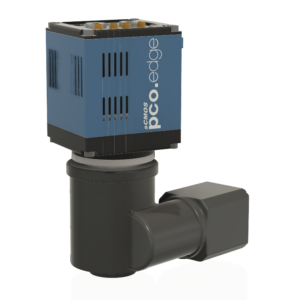
Fig. 1 – Camera rotation solution with software rotation control
In our solution, the camera rotation is driven by a powerful precision motor that ensures the camera rotates gently in set increments. The control is done from a software application. Our product thus realizes the need to obtain images from multiple angles and addresses all the needs associated with this need.
Our Custom Solution:
Rotating the image by the camera in microscopy offers several advantages compared to rotating the entire microscopy table or stage:
1. Preservation of Specimen Integrity:
Rotating the camera maintains the stability and integrity of the specimen. When you rotate the entire microscopy table, there's a risk of disturbing or damaging delicate samples, especially in live cell imaging or when working with sensitive materials.
2. Non-destructive:
Rotating the camera is a non-destructive process that doesn't introduce mechanical stress or vibrations to the sample. This is crucial when studying fragile biological specimens or when performing high-resolution imaging.
3. Flexibility and Convenience:
Camera-based rotation is often more convenient for researchers. They can easily adjust the image angle using software controls, allowing for real-time optimization and experimentation. This convenience can save time and enhance productivity during microscopy experiments.
4. Compatibility with Various Microscope Models:
Camera rotators can be used with a wide range of microscope models, making them versatile and adaptable to different research needs. In contrast, rotating the entire stage may require customized solutions for each microscope.
Final thoughts
In summary, rotating the image by the camera in microscopy offers greater precision, flexibility, and convenience while minimizing the risk of sample disturbance or damage. It is particularly beneficial for researchers working with sensitive or dynamic specimens and is an essential tool for advanced microscopy techniques such as 3D imaging and time-lapse studies.
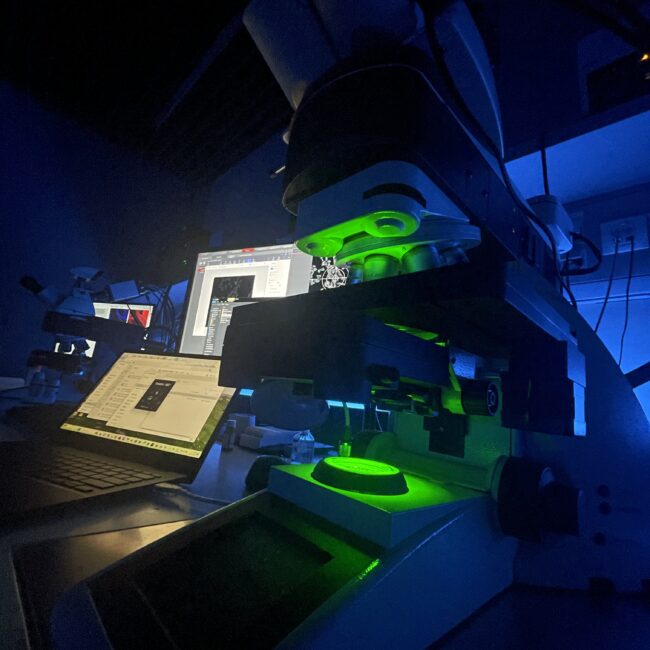
Fig. 2 – Real Examples of Custom Solution for Camera 360° Rotator
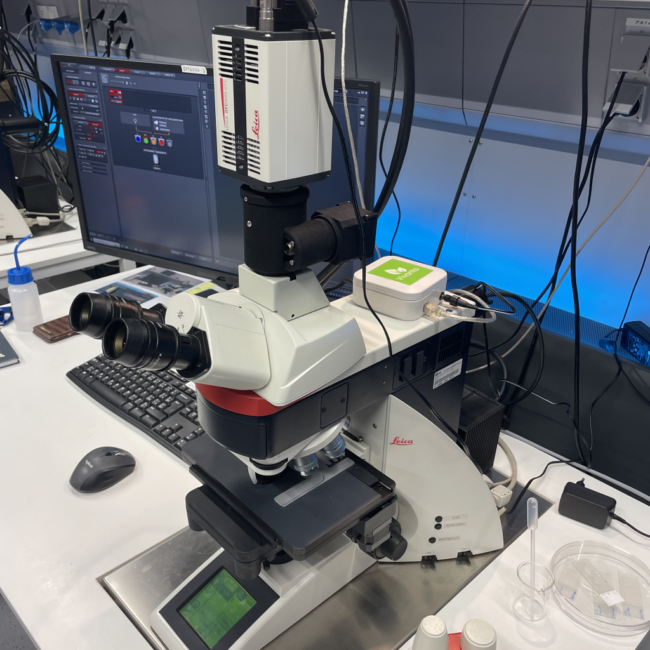
Fig. 3 – Real Examples using LAS X Software with Camera 360° Rotator software
Are you interested?
If you already have something and can think of things you’d like to improve, we’d love to hear from you – that’s why we’re here, to make things just right for you.
Are you looking for a customised solution for your specific needs? Our team of experts are here to provide you with a solution that fits your needs perfectly.
Contact us today to discuss your project and discover how our customised solutions can maximise your potential for success.