The Synergy of Stage Inserts with Cell Culture Systems
Stage inserts
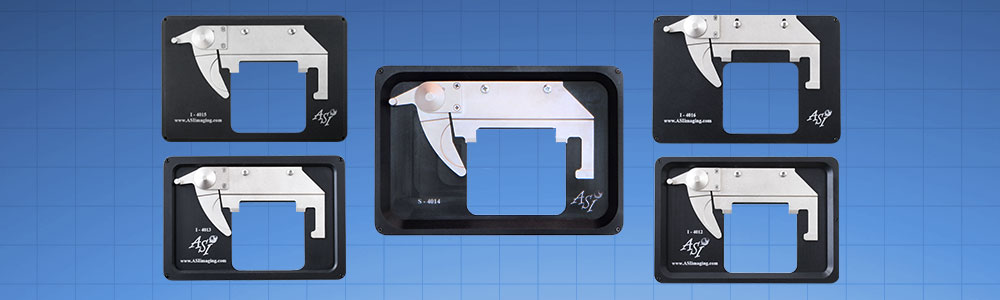
Stage inserts and culture systems represent a dynamic synergy between precision microscopy and advanced cell culture techniques. These cutting-edge technologies have revolutionized the way researchers and scientists study live cells and tissues under the microscope. Specifically, stage inserts serve as specialized platforms within the microscope stage, providing a controlled environment for the growth and observation of cells. Used in conjunction with culture systems, which may include bioreactors, incubators, or microfluidic setups, they facilitate the replication of physiological conditions necessary for live cell imaging and dynamic experimentation.
Fig. 1 – Stage inserts [1,3]
Cell culture introduction
Cell culture on the microscope stage represents a dynamic marriage of biology and imaging technology, providing researchers and scientists with an unprecedented window into the world of live cell biology. The integration of cell culture within the confines of a microscope stage has paved the way for real-time observation of cellular processes, making it a cornerstone in the fields of cell biology, pharmacology, and regenerative medicine.
Fig. 2 – Example for cell cultivation with stage insert [2]
5 Tips: Guidance for Choosing the Right Microscopy Inserts and Cell Culture systems
1. Sample Compatibility:
Determine the type and size of specimens or samples you plan to observe. Make sure the insert is designed to accommodate your specific sample format, such as slides, Petri dishes, multi-well plates, or microfluidic devices.
2. Microscope Compatibility:
Verify that the insert is compatible with your microscope model and stage dimensions. Make sure it fits seamlessly into the microscope stage and is compatible with any motorized or automated stage components.
3. Environmental Control:
Evaluate whether the insert provides the necessary environmental control features, such as temperature, humidity, and gas regulation. These features are essential for live cell imaging and maintaining cell viability during experiments.
4. Optical Quality:
Consider the optical clarity and quality of the insert material. High quality inserts should have minimal autofluorescence and be designed to minimize optical aberrations that can affect image quality.
5. Experimental Flexibility:
Evaluate the insert's adaptability to different experimental setups. Some inserts offer modular designs that allow for customization and compatibility with additional accessories, such as perfusion systems or micromanipulators, to expand the range of experiments you can perform.
1. Cell Type and Source:
Cell type selection is fundamental. Consider the source of your cells, whether they are primary cells, cell lines, or stem cells, and ensure that they are appropriate for your research goals. Pay attention to cell health, passage number, and authenticity to avoid unintended variations in results.
2. Cell Culture Conditions:
Maintain optimal culture conditions, including temperature, humidity, and gas composition (CO2 and O2 levels). Consistent environmental conditions are critical to mimic physiological conditions and ensure cell viability during microscopy experiments.
3. Substrate and Medium:
Select an appropriate cell culture substrate (e.g., tissue culture treated plates, coverslips, or special inserts) and culture medium tailored to your cell type. Ensure that the substrate promotes cell adhesion, growth, and differentiation without interfering with imaging.
4. Sterility and Contamination Control:
Maintain strict aseptic techniques to prevent contamination by bacteria, fungi, or other microorganisms. Use a biosafety cabinet for cell handling and test cultures regularly for mycoplasma contamination. Follow good laboratory practices to minimize the risk of contamination.
5. Microscopy-Compatible Cultivation Systems:
Select culture systems and inserts that are compatible with your microscopy setup. Specialized stage inserts, incubators, and microfluidic devices allow you to maintain live cell cultures during imaging experiments. Make sure the culturing system provides precise control over temperature, humidity, and gas levels to create a stable imaging environment.
Fig. 3 – Brands of micromanipulation systems [1-3]
Contact us today to discuss your project and discover how our customized solutions can maximize your potential for success. Unsure of your next step? Contact us for guidance and support.
References:
[1] “Products — Marzhauser GmbH.” Marzhauser GmbH, https://www.marzhauser.com/. Accessed 22 Sept. 2023.
[2] GmbH, PeCon. “POC-R2 Cell Cultivation System | PeCon GmbH.” PeCon GmbH – Live Cell Imaging and Microscope Incubators, 2 Oct. 2018, https://www.pecon.biz/products/product/?pid=5383|POC-R2_Cell_Cultivation_System.
[3] “160 x 110 Mm Silver Finger Stage Inserts | ASI.” ASI | Applied Scientific Instrumentation, 14 Oct. 2015, https://www.asiimaging.com/products/stages-inserts/160-x-110-mm-silver-finger-stage-inserts/.
Are you interested and need quote?
Looking for a customized solution for your specific needs? Our team of experts are here to provide you with a solution that is a perfect fit for your needs.
Contact us today to discuss your project and discover how our customised solutions can maximise your potential for success.