Micromanipulation, a microscopy technique, has revolutionized cellular studies by enabling us to interact with and study minuscule objects, organisms, and materials at the microscopic level. With technology advancing, researchers are always pushing the limits of what can be achieved in microscopy. Micromanipulation, a precise and delicate practice, allows scientists to move, place, and handle microscopic specimens with exceptional precision and skill. This amazing ability has revealed new opportunities in areas such as biology and materials science, as well as nanotechnology and other fields. It enables us to investigate the concealed complexities of the microcosm in ways previously unimaginable.
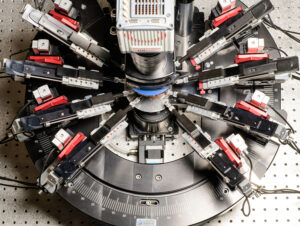
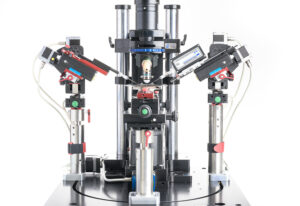
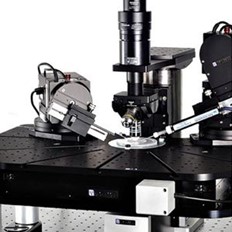
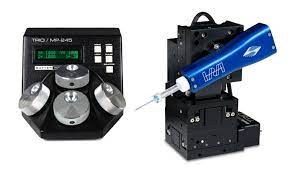
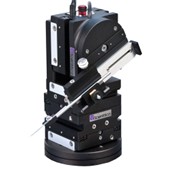
Fig. 1 – Micromanipulation from different suppliers [1-4]
Micromanipulation is an important part of electrophysiology which helps researchers investigate the electrical properties of individual cells, tissues, and biological structures with great accuracy. It is used extensively in electrophysiology, which is a branch of physiology concerned with studying electrical activities in living organisms. This technique enables scientists to monitor and change electrical activity in cells at both cellular and subcellular levels. This effective combination of fields has greatly developed our knowledge of the basic principles that manage the nervous system, heart function, muscle movement, and many other physical processes.
We will explore the different micro tools and methods used by electrophysiologists, like patch clamping, intracellular microelectrode recording, and optogenetics. We will also draw attention to the significant research areas where micromanipulation in electrophysiology has had a crucial role, such as neuroscience, cardiology, and cellular biology. By bringing together micromanipulation and electrophysiology, we will show how further advances in our understanding can be achieved, helping us to understand the complex electrical processes that drive life.
Fig. 2 – Micromanipulation from different suppliers [2-5]
Selecting the right micromanipulator for research purposes is vital. Important considerations include accuracy, reliability, compatibility with other laboratory equipment and ease of use. Researchers should evaluate their requirements and financial limitations prior to purchasing these valuable instruments.
How to choose with key factors:
Choosing the best micromanipulator for your specific needs requires careful consideration of various factors, as these precision instruments can vary significantly in terms of capabilities, features, and price. Here are key factors to consider when selecting the best micromanipulator for your laboratory:
1. Application Compatibility:
Determine the primary application for which you need the micromanipulator. Different micromanipulators are optimized for specific tasks, such as patch clamping, intracellular recording, microinjection, or cell sorting. Ensure that the model you choose is suitable for your intended use.
2. Precision and Stability:
Precision is crucial in micromanipulation. Look for models with high precision in movement control and stability. Low drift and minimal backlash are essential characteristics to ensure accurate manipulation.
3. Range of Movement:
Consider the range of movement and degrees of freedom required for your experiments. Some micromanipulators offer multi-axis movement, which can be beneficial for more complex manipulations.
4. Compatibility with Microscopes:
If your work involves microscopy, ensure that the micromanipulator is compatible with your microscope setup. Compatibility may include the ability to mount the manipulator on the microscope stage or attach it to a separate stand.
5. Control Interface:
Evaluate the control interface and software provided with the micromanipulator. User-friendly software with intuitive controls can streamline your experiments. Also, check if it can be integrated with other laboratory equipment.
6. Ease of Use:
Consider the ease of installation and operation. Micromanipulators should be user-friendly and not require excessive setup time or complex procedures.
7. Mechanical Stability:
Assess the build quality and mechanical stability of the manipulator. It should be robust and durable to withstand long-term use.
8. Sample Compatibility:
Ensure that the micromanipulator can accommodate the size and type of samples you'll be working with. Some manipulators are designed for larger samples, while others are optimized for smaller cells or microorganisms.
9. Price and Budget:
Micromanipulators can vary widely in price. Determine your budget and seek models that offer the best combination of features and performance within your budget constraints.
10. Support and Service:
Research the manufacturer's reputation for customer support and service. A reliable support network can be crucial in case of technical issues or maintenance requirements.
11. Future Expansion:
Consider whether you may need to expand or upgrade your micromanipulation setup in the future. Compatibility with additional accessories or the ability to integrate with other equipment can be advantageous.
12. Safety Features:
Micromanipulators should include safety features, such as mechanisms to prevent overextension, to protect both the operator and the samples.
Supported brands in our portfolio:
Fig. 4 – Brands for micromanipulation [1-5]
By carefully evaluating these factors and prioritizing your specific research requirements, you can choose the best micromanipulator that aligns with your laboratory’s needs and enhances the precision and reliability of your experiments.
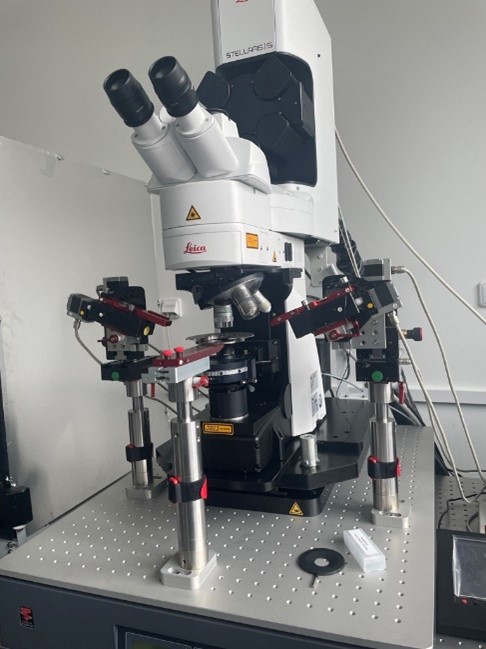
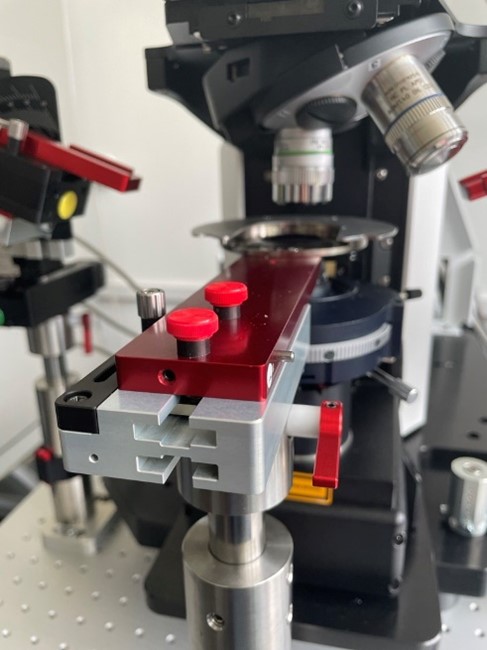
Fig. 5 Example of our work – Leica STELLARIS 5 setup for electrophysiology
Final thoughts
In conclusion, micromanipulators are indispensable assets in the realm of cell biology. Their precision and versatility empower researchers to delve deeper into the intricate workings of cells, unlocking new discoveries and enhancing our understanding of life’s fundamental processes. As technology continues to advance, we can expect micromanipulators to play an even more significant role in shaping the future of biological research, driving innovation, and expanding the boundaries of our knowledge.
If you already have something and can think of things you’d like to improve, we’d love to hear from you – that’s why we’re here, to make things just right for you.
Are you looking for a customised solution for your specific needs? Our team of experts are here to provide you with a solution that fits your needs perfectly.
Contact us today to discuss your project and discover how our customised solutions can maximise your potential for success.
Your privacy is important to us!
Our company Vivanto Solutions s.r.o. uses cookies to ensure the functionality of the website and, with your consent, to personalize the content of its website.
By clicking on the "I agree" button, you consent to the use of cookies and to the transfer of web behavior data for the display of targeted advertising on social networks and advertising networks on other sites.
More information on our website.